
A common thread
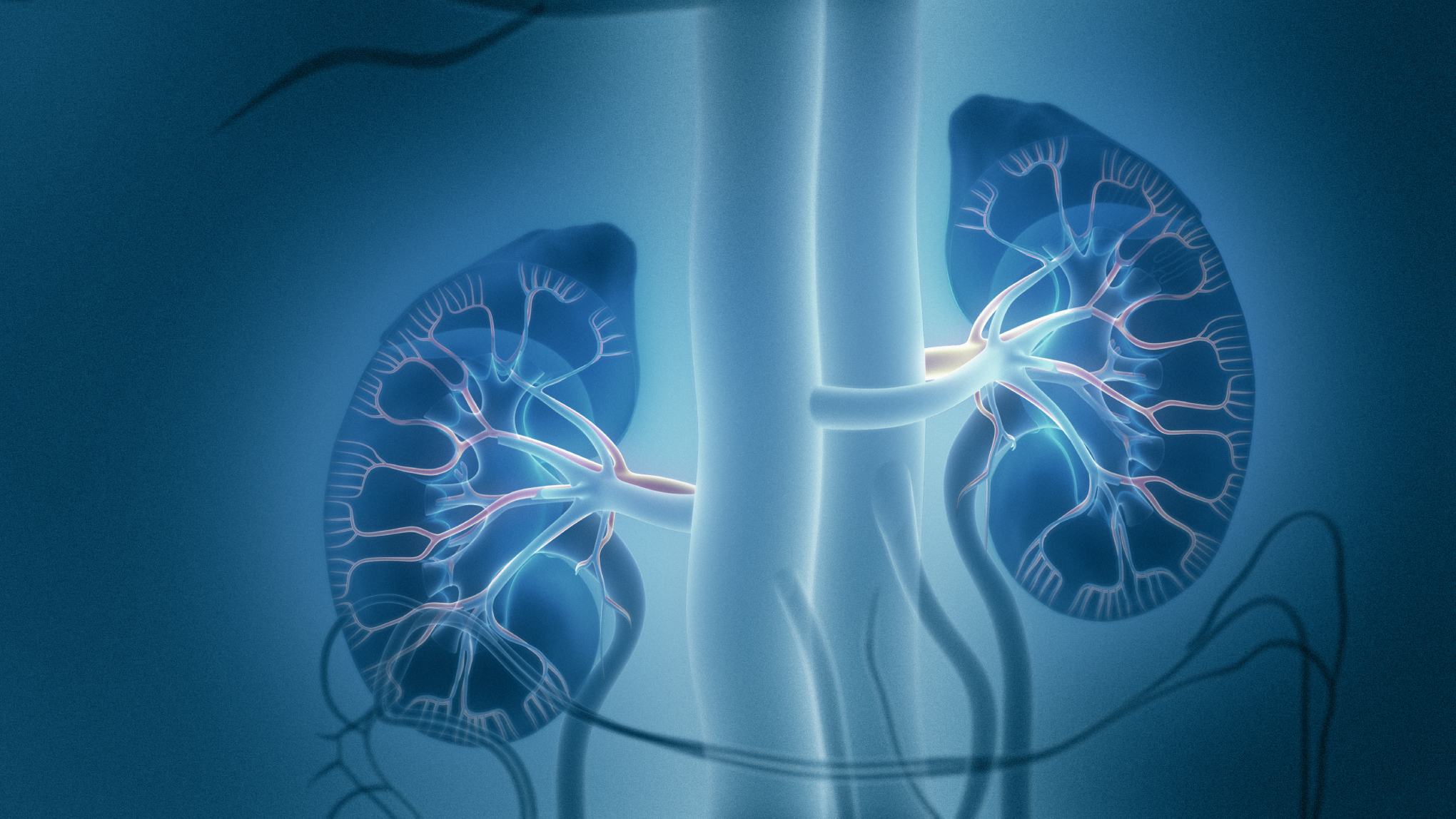
The initial triggers of proteinuric CKD are diverse, but this disease family shares a common driving mechanism. Whether the initiator lies in genetics, an environmental toxin, autoimmunity, or an unknown factor, proteinuric CKDs all cause harm by activating a cellular signaling pathway that triggers inflammation, tissue remodeling, and ultimately the loss of the cellular filtration structures that eliminate waste from the bloodstream. Walden’s therapeutic objective is to protect these structures by switching off the signaling pathway that drives proteinuric CKD and enhancing natural protective mechanisms.
Podocytes are specialized cells that are part of the kidney glomeruli, the filtration system of the kidney. Damage to the podocytes causes proteins to leak into the urine. Multiple lines of evidence point to the suPAR/uPAR system as the key factor in activating the cellular signaling pathway that leads to cell injury and loss. Walden’s lead drug candidate, WAL0921, is a therapeutic monoclonal antibody that targets the urokinase plasminogen activator receptor in its soluble (suPAR) as well as the cell-surface-bound (uPAR) forms, and inhibits the downstream signaling pathway that leads to proteinuria.
Walden’s second drug candidate, WAL0623, stabilizes dynamin, an enzyme that maintains the structure and function of podocytes and proximal tubule cells in the kidney. WAL0623 has been shown to reduce proteinuria and stabilize kidney function in multiple preclinical models of renal disease.
WAL0921
Anti-suPAR antibody
Indication: Proteinuric kidney diseases (FSGS, IgAN, MN)
WAL0623
Small molecule dynamin stabilizer
Indication: Proteinuric kidney diseases
Early discovery programs
Indication: Chronic kidney diseases (CKDs)
WAL0921
WAL0921 is an investigational monoclonal antibody that acts by targeting the suPAR/uPAR system that initiates and aggravates kidney disease.
suPAR and its cell-surface-bound uPAR form are present in healthy individuals and are elevated across a broad spectrum of diseases related to inflammation and immune activation. In proteinuric CKD, suPAR/uPAR drive multiple cellular stress responses that cause podocytes to lose their filtration capacity and ultimately detach from their membranes, a process known as effacement.
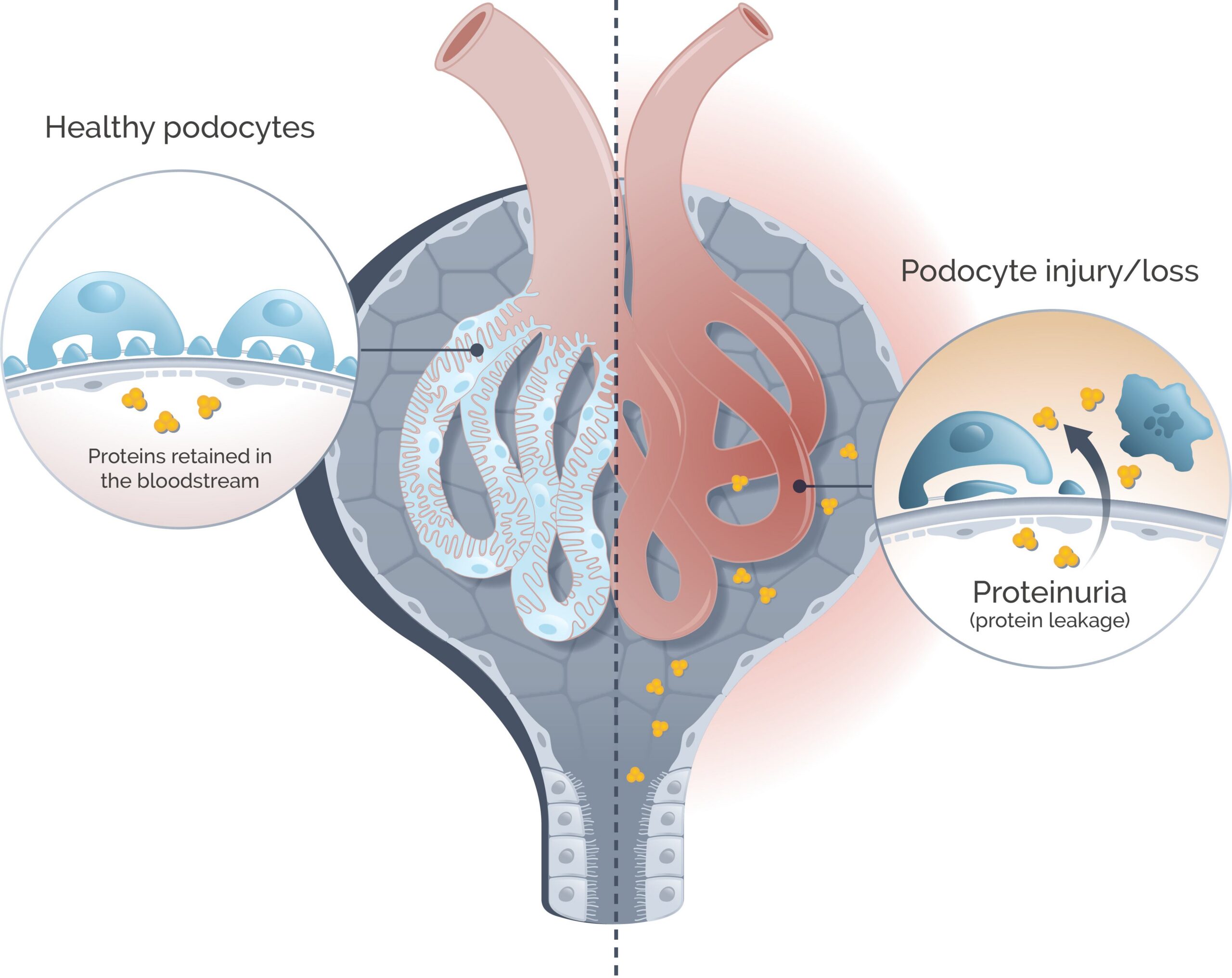
In rare CKD, the podocytes responsible for blood filtration deteriorate and detach from the blood vessels in the glomerulus, leading to proteinuria.
WAL0921 mechanism

WAL0921
Monoclonal antibody blocker of suPAR

Suppresses stress responses
Reduced suPAR signaling decreases inflammation, tissue remodeling and destruction of cellular filtration structures

Reduces proteinuria
Intact podocytes filter blood more efficiently

Preserves kidney function
Progress toward end-stage disease slowed or stopped
By reducing levels of circulating suPAR and cell surface uPAR, as well as altering the downstream signaling pathways, WAL0921 is designed to reverse the underlying signaling mechanisms causing proteinuria and thereby preserve kidney function.
WAL0623
WAL0623 is an investigational small molecule that stabilizes the enzyme dynamin to maintain the structure and function of podocytes and proximal tubule cells.
In people with proteinuric CKD, the structure and integrity of podocytes and proximal tubules is compromised and kidney function declines as a result. Dynamin stabilizers have the potential to help reverse this damage by rebuilding the actin cytoskeleton and maintaining cellular morphology of podocytes and proximal tubule cells.
Dynamin is an enzyme that supports the structural and functional integrity of both podocytes and proximal tubule cells in the kidney by interacting with the actin, myosin, and actin-binding proteins that make up the cytoskeletal support structure in these cell types.
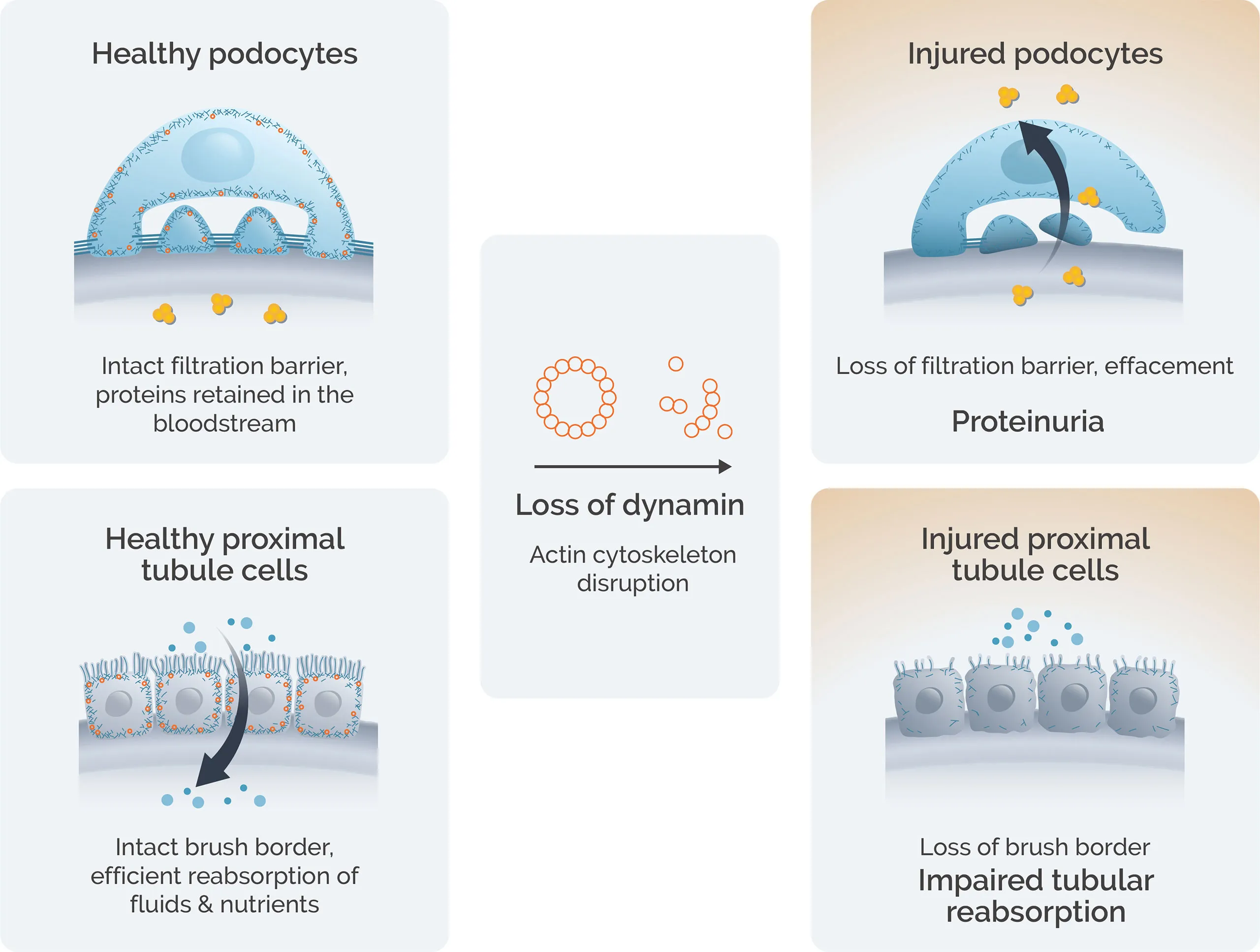
Proteinuric CKDs compromise the cytoskeletal structures in two cell types: podocytes, which form an essential part of the kidney’s filtration apparatus (the glomerulus), and proximal tubule cells, which reabsorb fluid and nutrients from the filtrate in the kidney tubules.
WAL0623 mechanism

WAL0623
Small molecule stabilizer
of dynamin

Restores dynamin function
WAL0623 promotes formation of functional dynamin rings, supporting integrity of actin and related proteins

Strengthens cytoskeleton
Actin network integrity maintains podocyte and proximal tubule cell structure and function
Preserves kidney function
Reduces foot process effacement, brush border loss, and proteinuria
WAL0623 protects podocytes and proximal tubule cells by stabilizing dynamin, an enzyme that promotes the integrity of cytoskeletal proteins.

Walden is currently conducting Phase 2 studies of WAL0921 in patients with proteinuric kidney diseases, including diabetic kidney disease, FSGS, IgAN, and MN